Lower confidence
Needs plain confirmation that the job is done, a product that looks official and a clear route back to a person.
Design for reassurance first.
Making Tax Digital changed a service customers had relied on IN-SYNC to perform. Luna had to expose status and the next action without turning tax mechanics into the customer's new job.
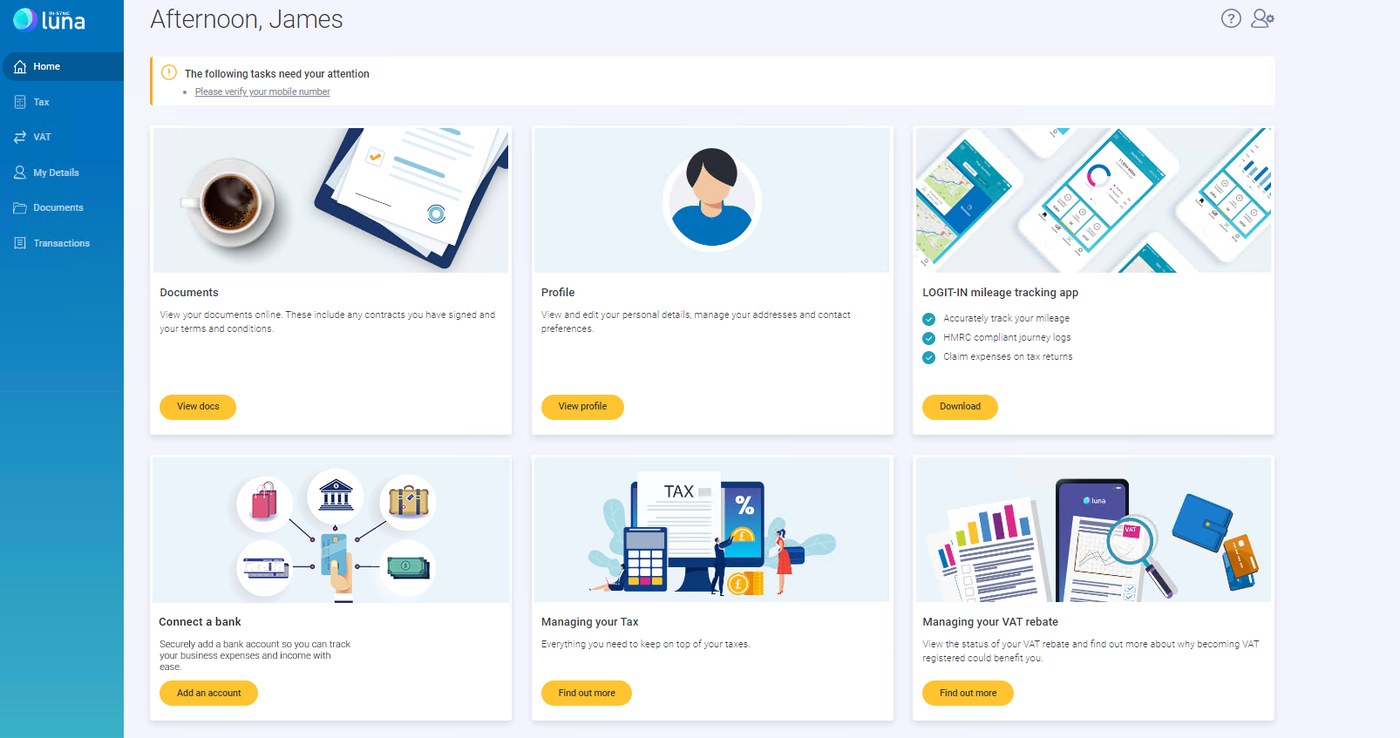
The process moved across staff, Government Gateway, banking, documents, profile information and reminders. The design task was to make position and ownership clear without moving the tax mechanics onto customers.
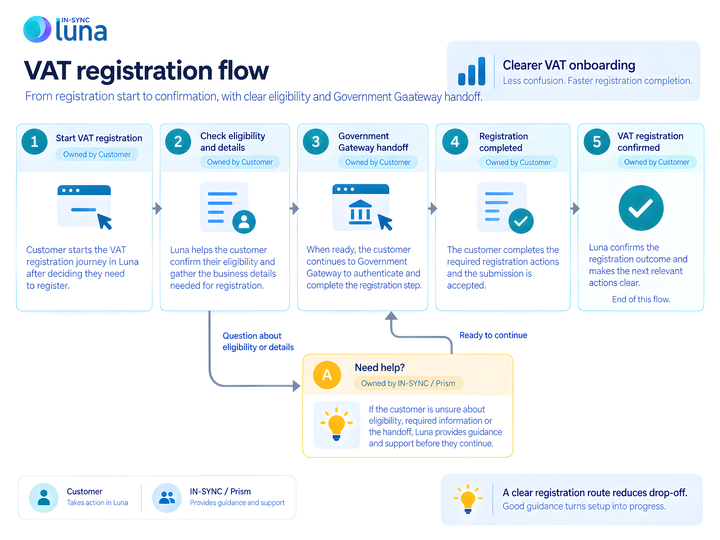
Tax, documents, personal information and bank recovery each needed a clear customer action and an owned support route.
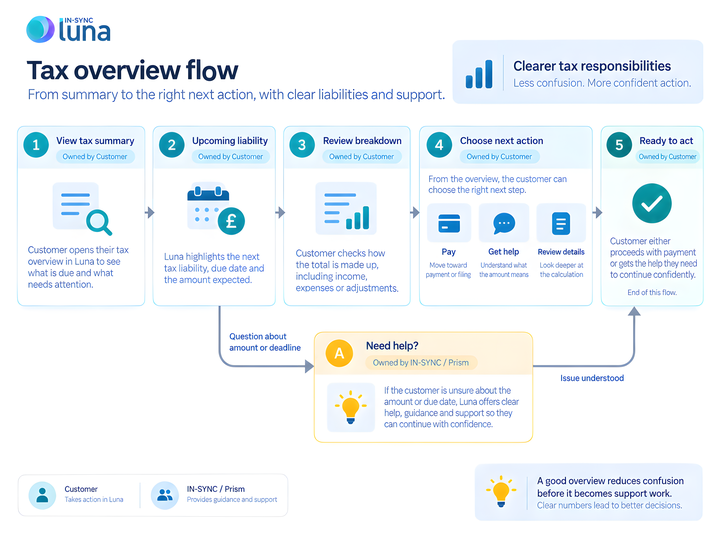
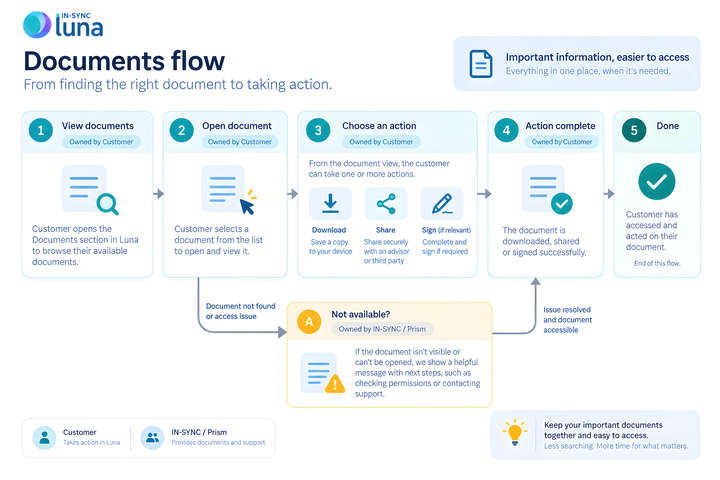
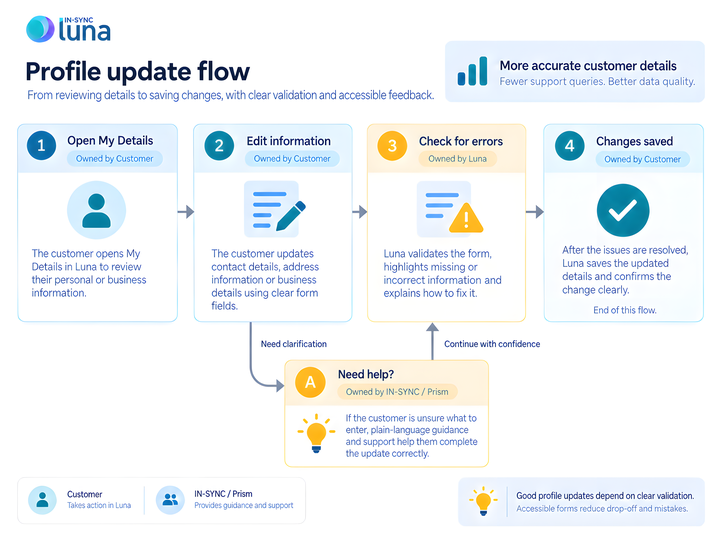
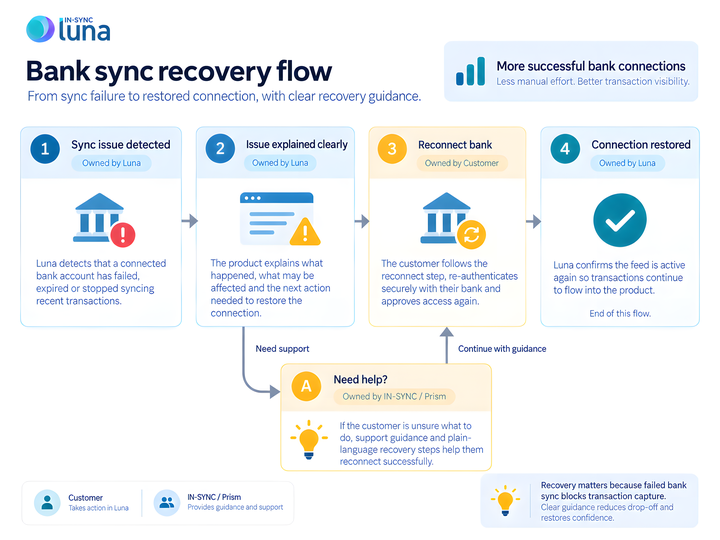
Customers ranged from running a business on a phone to never having used an online account for anything financial. Short by default and expandable on demand became a structural rule.
Needs plain confirmation that the job is done, a product that looks official and a clear route back to a person.
Design for reassurance first.Uses banking and shopping apps but avoids official tasks. Needs ordinary words and visible consequence before commitment.
Design for explanation in context.Runs the business from a phone. Needs the shortest viable route and detail only when it supports control.
Design for speed without hiding depth.Contemporary notes recorded unresolved questions about linking customer records, authorisation and what would trigger a support call. Where results are not available, this case study does not promote an assumption into a finding.
The product took on visibility. The service kept hold of the mechanics, with a small and deliberate amount of work moving to the customer.
Assisted service
IN-SYNC performs the work. Customers call because position and next action are invisible.
Digitised handoff
The old process is digitised faithfully. Customers receive the screens and the tax mechanics, whether or not they can act on them.
Deliberate responsibility
Customers see where things stand and what only they can do. Staff and systems retain the tax work.
The product exposed position, responsibility and the next useful action while the service continued to hold the tax mechanics behind it.
Home establishes position, Transactions shows the financial overview, and the following screens move into classification, VAT and account information.
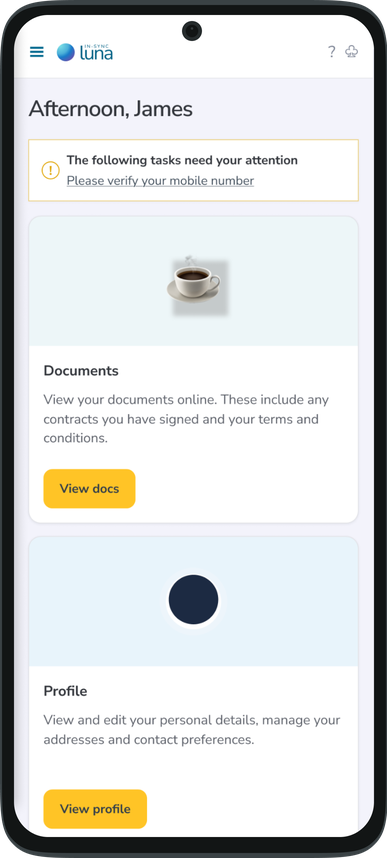
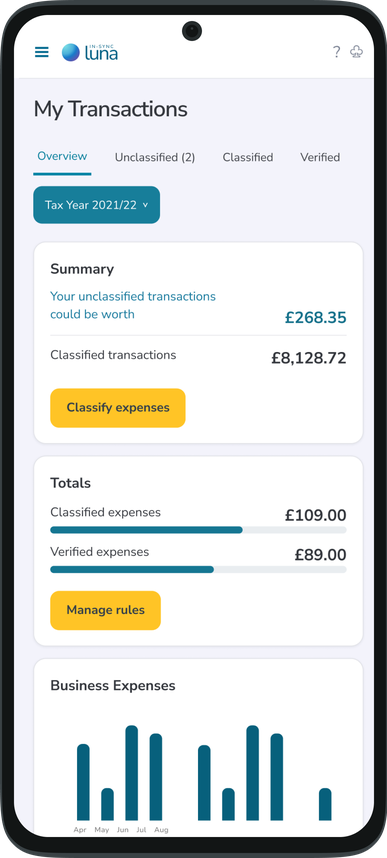
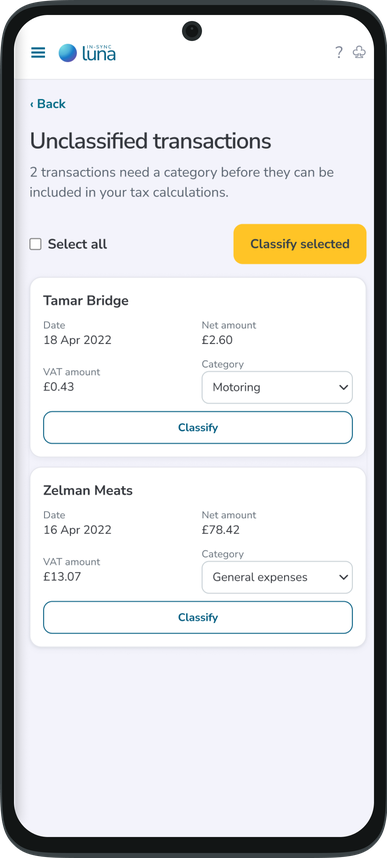
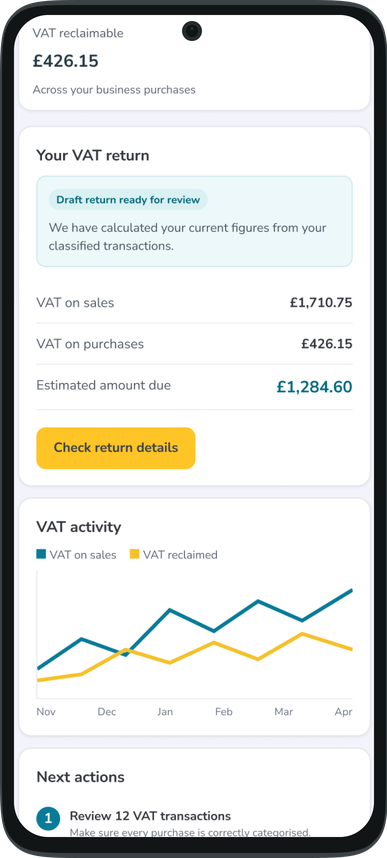
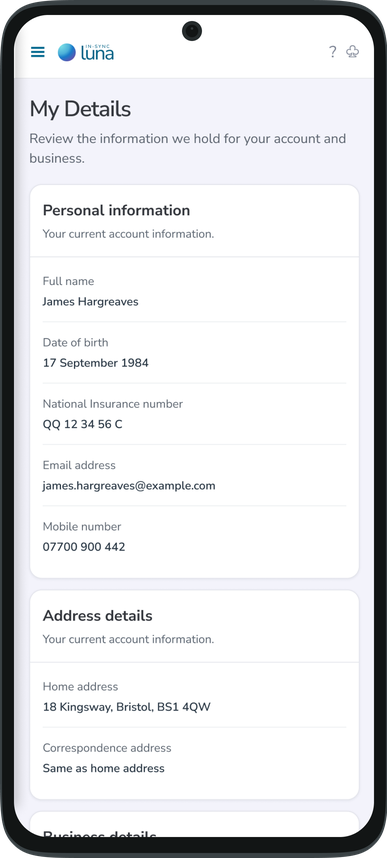
Naming VAT readiness as a first-person question converted policy language into something customers could answer about themselves. “Yes” or “no” came before legislation.
The available evidence shows a product and service model, not a quantified outcome.
A navigation made from customer language, status before tasks, VAT readiness answered directly and financial consequences shown before confirmation.
The product preserved human support as part of the service instead of treating it as failure.
I would define contact-reason coding, unassisted completion and time-between-handoffs before launch. Those measures are inexpensive to establish and difficult to reconstruct later.
I would also test the words harder than the layout. For this audience, the wording often is the interface.